
Waterproof & Durable Labels — What Makes Them Last Outdoors
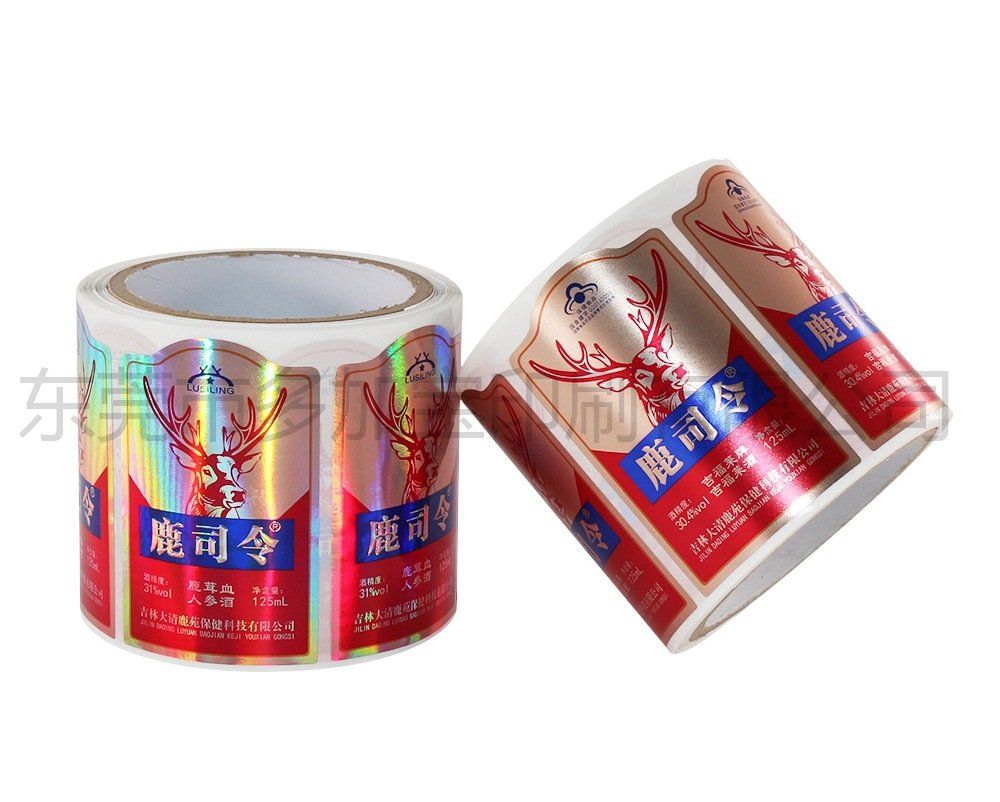
If your product lives in a fridge, a bathroom, a warehouse or outdoors, a standard paper label will not survive. Here is what actually makes a label waterproof and weatherproof.
1. A Film Face Stock
Waterproofing starts with the material. Synthetic films — BOPP, PE and PET — do not absorb water, resist tearing and stay flexible in cold conditions. This is the foundation of any durable label.
2. The Right Adhesive
A waterproof face stock is useless if the adhesive lets go. For demanding environments we use:
- High-tack permanent adhesives for long-term bonding
- Wet-apply / wet-strength adhesives for damp or condensation-prone surfaces
- Freezer-grade adhesives rated for sub-zero storage
3. UV-Resistant Inks & Lamination
Sunlight fades ordinary inks within weeks. For outdoor durability we use UV-stable inks and add a protective laminate or varnish that shields against:
- Water and humidity
- UV fading
- Scratches and abrasion
- Mild chemicals and cleaning agents
4. Testing Before Shipment
Durability is verified, not assumed. Every outdoor-grade batch is checked for:
- Adhesion — peel and tack tests on the target surface
- Water resistance — soak and rub tests
- UV / weathering — accelerated exposure
- Abrasion — rub resistance of the printed surface
A truly durable label is a system — film + adhesive + ink + laminate — each chosen for the product's real-world conditions.
Common Use Cases
- Beverage bottles and chilled drinks
- Outdoor equipment and industrial assets
- Garden, automotive and chemical products
- Cold-chain and freezer goods
Tell us where your product will live — indoors, outdoors, fridge or freezer — and we will engineer a label built to last and send you a free sample to test.
More Articles
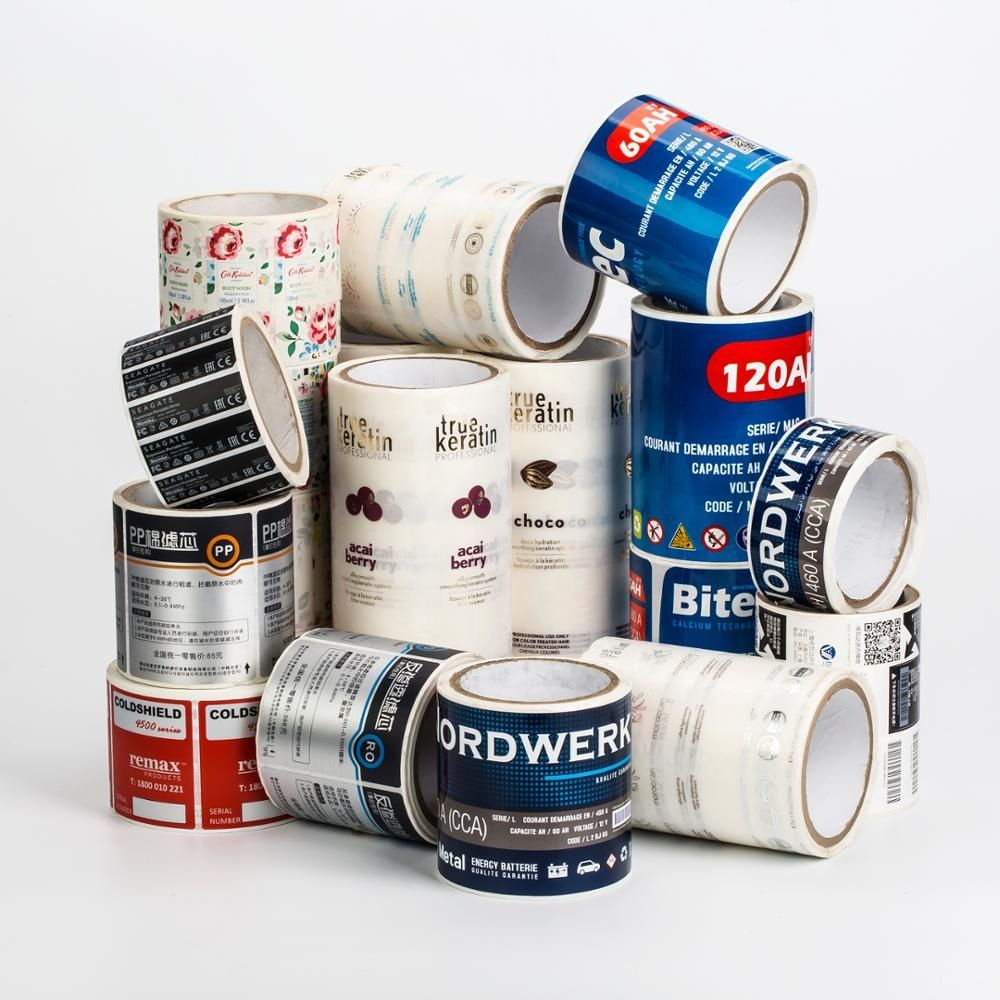
How to Choose the Right Label Material for Your Product
A practical guide to selecting the right label material — paper vs film, adhesives and finishes — so your labels look great and last as long as your product needs.
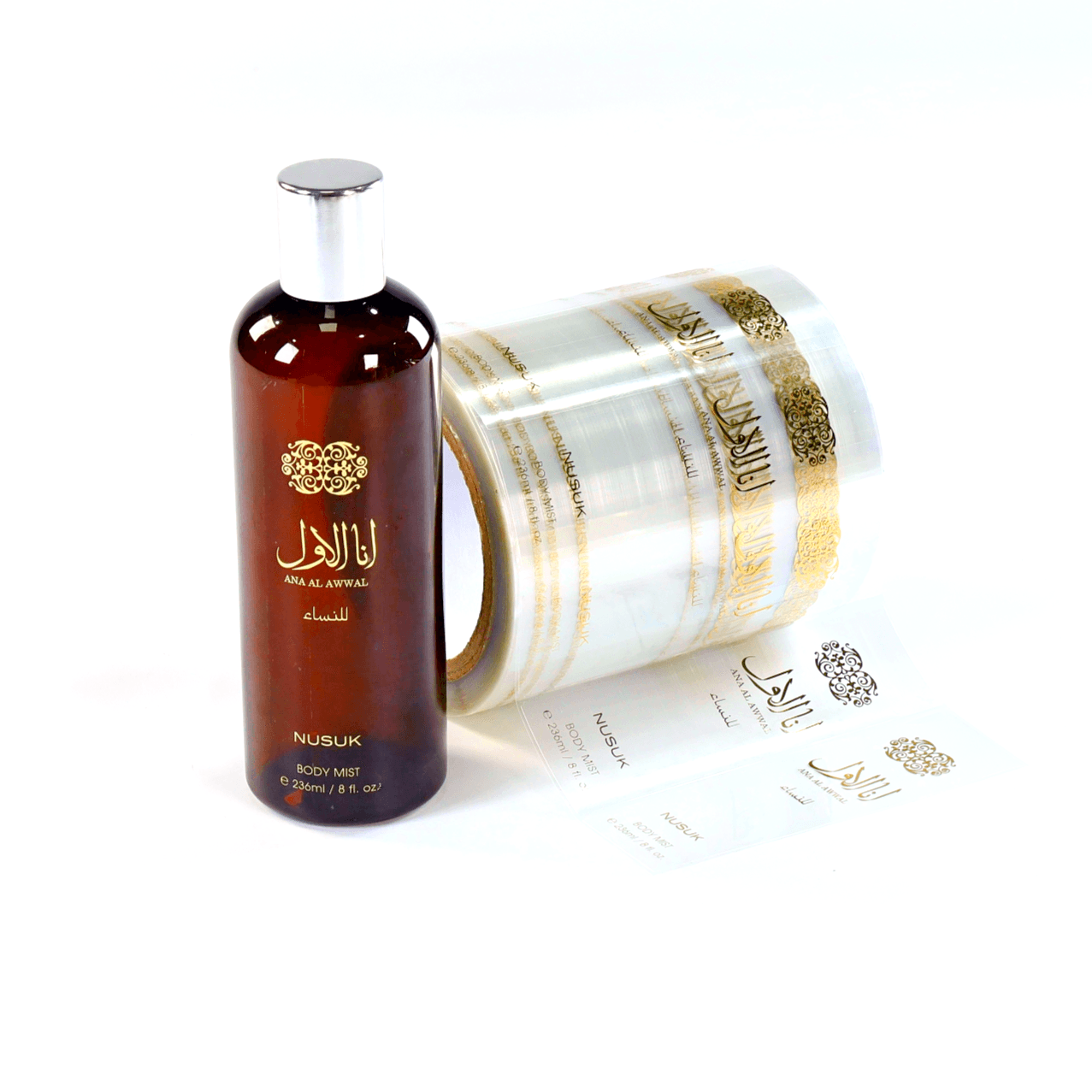
Gold Foil vs. Cold Foil: Premium Label Finishes Explained
Hot stamping, cold foil, embossing and spot UV — what each premium finish does, when to use it, and how they affect cost and lead time.